
CARICOM Heads to COP31: One Year After Melissa, the Caribbean Must Demand Money That Moves, by Annieth Woollery, Independent writer.
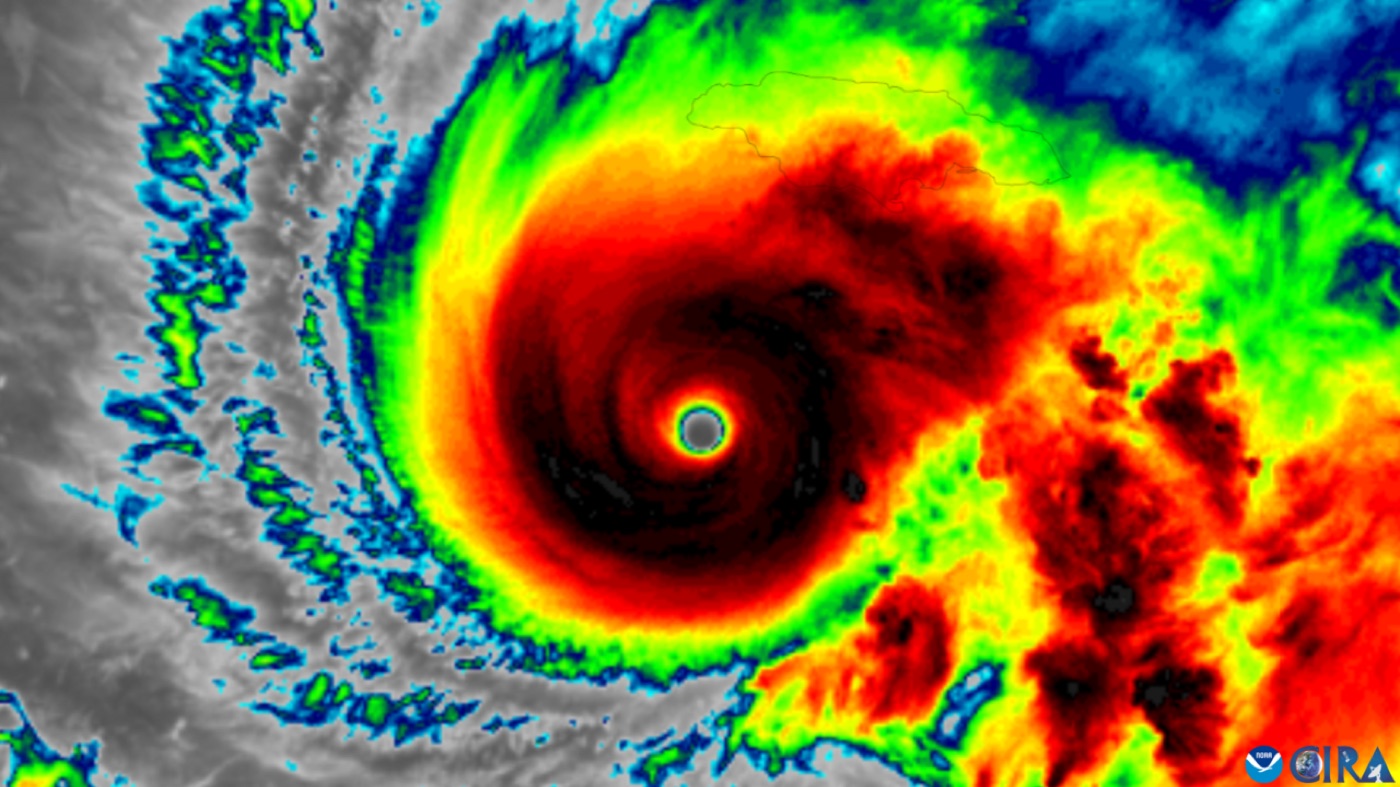
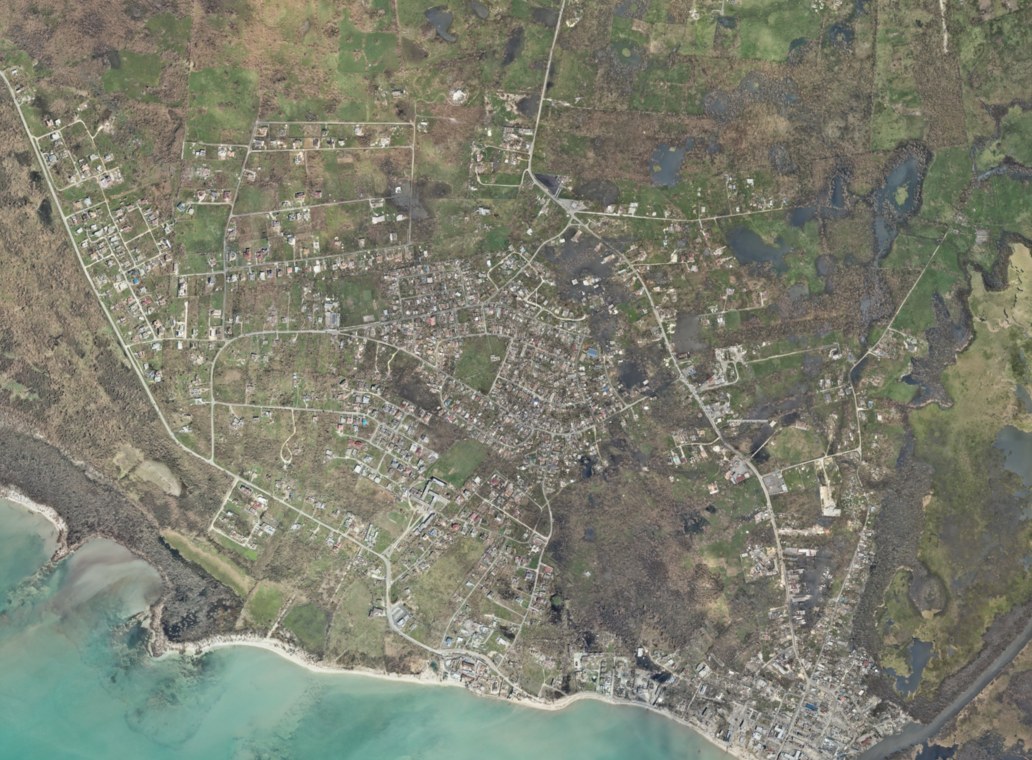
Next week marks one year since Hurricane Melissa made landfall in Jamaica as a Category 5 storm on Tuesday 28 October 2025, with maximum sustained winds of up to 295 kilometres per hour. The World Bank and the Inter-American Development Bank later put the physical damage alone at US$8.8 billion, equivalent to 41 per cent of Jamaica's 2024 GDP, the costliest hurricane in the island's recorded history. That figure excludes the wider economic losses, which the two banks expect to be even larger.
Now the region is preparing for the next round of global climate talks. COP31 runs from 9 to 20 November 2026 in Antalya, Türkiye, and from 12 to 14 October CARICOM leaders, negotiators, regional institutional heads and youth representatives met in Miami to align their positions. At Kingstonmouth.com, we ask the real question: after Melissa, what exactly must the Caribbean walk out of Antalya with, and will the rich world finally pay?
Recent Developments
The Miami session, formally the Second Meeting of CARICOM Negotiators and Ministers Preparatory to COP31, was convened by the Belize-based Caribbean Community Climate Change Centre (CCCCC), following a first consultation in Guyana in March. Delegates went in with sobering numbers from the UN Environment Programme's Emissions Gap Report 2025, which warns that the world is on course for 2.3 to 2.5°C of warming this century even if current national pledges are fully implemented.
CARICOM Assistant Secretary-General Dr Wendell Samuel put it plainly: "Our people do not experience climate negotiations; they experience climate impacts." He described 1.5°C as "the line between manageable risk and irreversible loss". CCCCC Executive Director Dr Colin Young added: "The best outcomes will not be handed to us. We have to demand it, defend it with courage and unity."
Health has joined the agenda too. On 25 September, at PAHO headquarters in Washington, CARICOM health ministers endorsed the Caribbean Action Plan on Health and Climate Change 2026–2031, developed with PAHO/WHO support. It rests on four lines: leadership and governance, climate-resilient health systems, low-carbon health systems, and resources and financing. The last of those is the one that will decide whether the plan becomes more than paper.
What Melissa Taught Us About Fast Money
Jamaica did not face Melissa empty-handed, and credit is due. The Caribbean Catastrophe Risk Insurance Facility (CCRIF) announced on 31 October 2025 a payout of US$70.8 million under Jamaica's tropical cyclone policy, the largest single payout in its history, and said Jamaica had access to liquidity three days after the storm crossed the island. A further US$21.1 million followed under the excess rainfall policy, bringing CCRIF's total to US$91.9 million. On 7 November the World Bank confirmed that Melissa had triggered a full US$150 million payout on Jamaica's catastrophe bond, based on the storm's central pressure and path.
According to the Centre for Disaster Protection, Jamaica mobilised about US$650 million in pre-arranged rapid financing within two weeks. That is the lesson: money agreed before the disaster arrives in days, not years.
But the same analysis notes that roughly half of those disaster financing payouts are loans from the World Bank and the IDB. Against a US$8.8 billion bill, insurance and pre-arranged credit are a first-aid kit, not a reconstruction budget. The rest falls on Jamaican taxpayers and on new borrowing.
Demand 1: A Loss and Damage Fund That Actually Pays
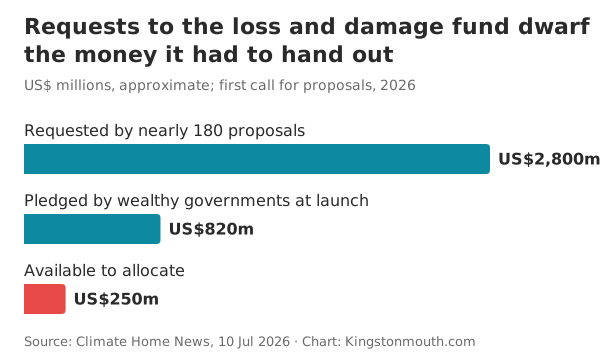
Compare that speed with the Fund for responding to Loss and Damage (FRLD), the fund the Caribbean fought for and celebrated at COP28 in 2023. According to Climate Home News, wealthy governments pledged around US$820 million at its launch, of which only 55 per cent has been delivered. Its first call for proposals drew nearly 180 submissions requesting around US$2.8 billion, yet it had only US$250 million to allocate, with the board agreeing in July to release US$100 million more. At its Manila meeting that month, the board deferred its first project approvals to December. In other words, not one first-round project will have been approved before COP31 meets.
Supporters of the fund argue that a careful start protects its credibility. We accept that rigour matters. But in our view a fund that cannot move faster than the next hurricane season is failing the people it was created for. CARICOM should demand a replenishment with firm pledges actually paid in, a timetable for disbursement measured in weeks, and a rapid-response window modelled on what CCRIF already proved in Jamaica.
Demand 2: Adaptation Money and Debt Breathing Room
At COP30 in Belém, the final decision called for efforts to at least triple adaptation finance, but by 2035, not the 2030 deadline in an earlier draft, and without a clear baseline year. For islands rebuilding roofs, roads and hospitals now, five extra years is a lifetime. CARICOM should press in Antalya for a defined baseline and a nearer date, with grants rather than loans for the most exposed states.
Debt is the other half of the story. When Hurricane Beryl struck in 2024, Grenada became the first country in the world to activate a hurricane clause in its debt agreements, pausing payments to creditors. Jamaica, by contrast, has so far stayed on the sidelines of these climate-resilient debt clauses, according to the Centre for Disaster Protection, which also reports that Jamaica's Medium Term Debt Strategy projects debt rising to 69 per cent of GDP in FY2027/28, above the legislated 60 per cent ceiling.
Critics of debt-pause clauses worry about market access and credit ratings. Those concerns deserve a hearing. But for us, a country that has just lost the equivalent of 41 per cent of its GDP should not be sending scarce dollars abroad to bondholders while its people sleep under tarpaulin. CARICOM should push for these clauses to become standard in all multilateral and bilateral lending to the region, and the Government of Jamaica should explain to Parliament why it has not adopted them.
Demand 3: Hold the Line on 1.5°C and on Fossil Fuels
Finance alone cannot save small islands if warming keeps climbing. Belém's text said 1.5°C remains "within reach" but acknowledged, for the first time in a COP decision, that overshoot is likely. It contained no roadmap for transitioning away from fossil fuels. Instead, Brazil's COP30 presidency said it would bring forward its own roadmaps on fossil fuels and deforestation to present at COP31.
That presentation in Antalya is an opening the Caribbean must seize. A voluntary presidency roadmap is not a negotiated commitment. CARICOM, working with AOSIS, should insist that the fossil-fuel transition becomes a formal part of the COP31 outcome, with dates, not adjectives.
What This Means for Jamaica
For ordinary Jamaicans, this is not abstract diplomacy. It is the price of zinc and lumber, the time it takes for light and water to return, the clinic that stays open after the next storm, and the share of the national budget that goes to rebuilding instead of schools. The PAHO plan rightly treats health as climate infrastructure; without financing, it will remain an aspiration.
The Way Forward
For us, the position is clear. The Caribbean did not cause this crisis, yet Melissa has shown that the region is already paying for it, partly with borrowed money. CARICOM's negotiators in Antalya must refuse another round of warm words. They should come home with a loss and damage fund that disburses at scale and at speed, an adaptation target with a baseline and a nearer date, debt-pause clauses as standard, and a fossil-fuel transition written into the outcome.
We also challenge our own leaders, JLP and PNP alike, to match the region's demands abroad with transparency at home: publish what Melissa money has arrived, from whom, and where it has gone. One year on, Jamaica's recovery, and its credibility at the negotiating table, depends on it.
Annieth Woollery is a contributing writer for Kingstonmouth.com. Kingstonmouth.com has published independent commentary on Politics, Human Rights and International Development for over ten years. Readers wishing to comment may contact us at kingstonmouth63@gmail.com or on our Facebook and X pages.
Sources
- CARICOM align regional strategy ahead of COP31 in Türkiye — St Vincent Times, 15 October 2026
- CARICOM endorses new Action Plan on Health and Climate Change developed with PAHO/WHO support — PAHO/WHO, 25 September 2026
- World Bank, IDB Estimate Hurricane Melissa Damage to Jamaica Totals All-Time High of US$8.8 Billion — World Bank, 19 November 2025
- Hurricane Melissa Triggers 100% Payout of $150 Million World Bank Catastrophe Bond for Jamaica — World Bank, 7 November 2025
- CCRIF to Make Record US$70.8 Million Payout to Jamaica Following the Devastation Caused by Hurricane Melissa — CCRIF, 31 October 2025
- Melissa triggers second CCRIF payout, US$150m cat bond — Jamaica Gleaner, 9 November 2025
- Death toll from Hurricane Melissa climbs to 49 with many still missing — Al Jazeera, 31 October 2025
- Hurricane Melissa, debt and pre-arranged financing: Jamaica's unfolding story — Centre for Disaster Protection, 4 December 2025
- Loss and damage fund delays first project approvals as needs dwarf resources — Climate Home News, 10 July 2026
- In a world first, Grenada activates debt pause after Hurricane Beryl destruction — Climate Home News, 21 August 2024
- COP30: Key outcomes agreed at the UN climate talks in Belém — Carbon Brief, November 2025